Why Your Body Has a Seasonal Clock (Not Just a Daily One)
We’ve been taught to think of time as something linear. Segmented. Managed by alarms, apps, schedules, and productivity hacks. We’re told our days should follow a predictable rhythm: wake, work, rest, repeat. And so we’ve come to believe that our bodies — remarkable and ancient as they are — should fit neatly inside that daily circadian framework. We measure our energy in 24-hour cycles, expecting ourselves to show up with the same clarity, motivation, efficiency, and spark each morning simply because the clock reset overnight.
But your body is older than the clock on your phone. It is older than your calendar, your deadlines, your habits of over-functioning and pushing through. Your body remembers something deeper, something quieter, something wilder. It remembers the Earth. And like the Earth, you don’t just run on a daily rhythm — you run on a seasonal one.
The truth is: you are not only a creature of sunlight and darkness… you are a creature of winter and summer, expansion and contraction, blossoming and shedding. Your inner world is shaped by far more than your morning routine or bedtime ritual. Your energy, mood, metabolism, creativity, and emotional landscape all ebb and flow with the shifting seasons — even if you’ve been taught to ignore it.
Let’s explore why.
The Ancient Body That Still Lives Inside You
Before clocks, before electricity, before cities, before work weeks and weekends, humans lived by the land. The body evolved on a planet that changes dramatically every three months — temperature shifts, food availability fluctuates, daylight expands and contracts, weather patterns shift, and ecosystems reorganise themselves accordingly. Your body’s deepest biological codes were written in this environment.
Modern life unfolded in the blink of an eye compared to the timeline of human evolution. Industrialisation changed our work. Artificial light changed our sleep. Digital connectivity changed our attention. But none of these changed the bones of us.
Your body still behaves as though you rise with the sun, sleep with the stars, harvest in autumn, and rest in winter. Even if your mind doesn’t consciously follow the seasons, your biology still does.
This is why you might feel naturally more social in summer, more reflective in autumn, slower in winter, and re-inspired in spring — even if you try to “stay consistent.” This “inconsistency” is not a flaw. It’s nature.
The Science: Seasonal Rhythms Are Real (Even If We Pretend They’re Not)
Science has been steadily catching up to what indigenous cultures, farmers, healers, and our own grandmothers knew intuitively: humans have seasonal biological rhythms — known as circannual rhythms — embedded into their physiology.
Research shows that:
Your hormones change with the seasons
Melatonin levels are higher in winter. Cortisol tends to spike more in spring. Serotonin production increases in summer. Thyroid hormones fluctuate with temperature and daylight. These hormonal shifts influence mood, motivation, appetite, metabolism, and energy.
Your immune system has a seasonal cycle too
Some immune genes are more active in winter and quieter in summer. This is why winter often feels like a time of fatigue, vulnerability, and needing more rest.
Your brain follows seasonal patterns
Studies show seasonal changes in brain structure, neurotransmitters, attention, and even emotional processing. Many people notice that winter feels introspective, while summer feels outward and expressive.
Sleep changes with the seasons
Even with artificial light, most people sleep longer in winter and wake more easily in summer. Our circadian rhythm is constantly recalibrating to the lengthening and shortening of daylight.
Your appetite and cravings shift naturally
Warmer months call for lighter foods. Colder months call for grounding nourishment. This isn’t just cultural — it’s biological.
The body is always reading the world around it, responding to cues we barely notice: temperature, humidity, sunrise times, soil scents, pollen movement, wind patterns, the behaviour of plants and birds and insects. You are part of a much larger conversation with nature that continues even when you don’t realise you’re listening.
Why We Lose Touch With Our Seasonal Body
If seasonal rhythms are so natural, why do so many of us feel out of sync?
Because our world is built around sameness. The same working hours. The same expectations. The same tempo. The same productivity levels. The same routines. Consistency is praised, rest is earned, and slow is suspicious.
The problem is that humans were never designed to operate at one speed all year round.
We experience:
Burnout in late winter because we push through the season meant for deep restoration.
Overwhelm in autumn because our energy naturally begins to descend but our schedules don’t shift to match.
A sense of dullness in spring when we expect ourselves to feel instantly renewed, forgetting that thawing takes time.
Hyperstimulation in summer when the world speeds up but our bodies still need moments of shade and stillness.
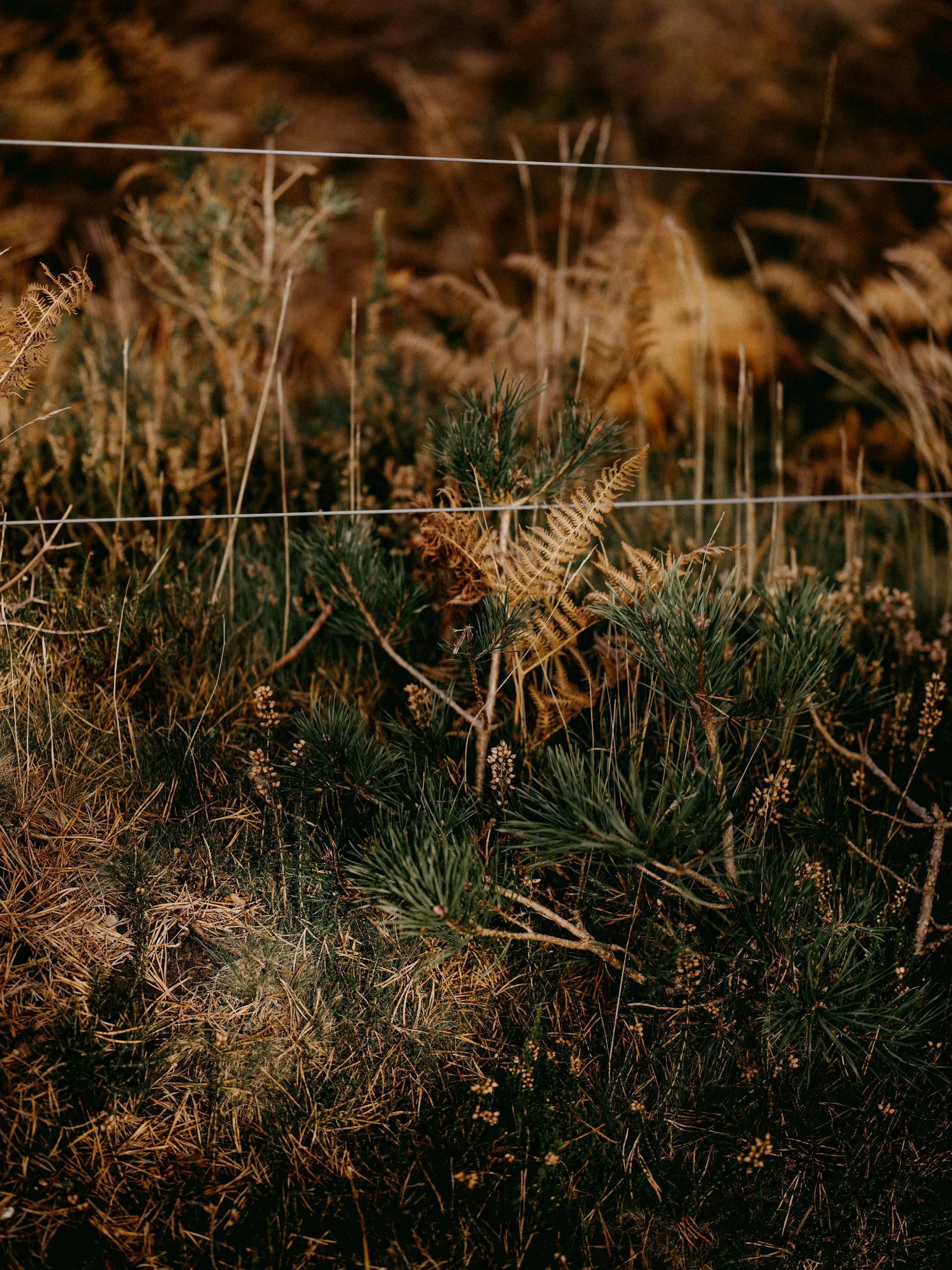
We weren’t meant to be perpetual summer. We weren’t meant to be constantly blooming. Summer is one-quarter of the cycle. When we insist on living in its energy all year round, we lose the wisdom of the other seasons — the introspection of winter, the release of autumn, the tender unfurling of spring.
The Emotional Seasons Inside You
Your body’s seasonal clock isn’t just biological — it’s emotional and spiritual too.
Winter: The Descent
Winter energy pulls you inward. It invites hibernation, reflection, truth-telling, stillness. You may feel the urge to withdraw, rest, nest, simplify, prune away the noise. Winter asks you to return to the roots of yourself.
Spring: The Reawakening
Spring brings momentum, curiosity, hope, clarity. Ideas that rested under the soil of winter begin to stir. You feel a soft, hesitant aliveness, a willingness to try again.
Summer: The Expansion
Summer invites visibility, growth, celebration, connection. The outward expression of your energy peaks here. You feel more magnetic, expressive, generous, open.
Autumn: The Release
Autumn ushers in truth, discernment, shedding, composting. You see what’s working and what isn’t. You let go — of habits, expectations, versions of yourself you’ve outgrown.
These emotional seasons don’t always line up neatly with the calendar. You can experience an inner winter in July or an inner summer in January. But the outer seasonal cues amplify and guide these inner shifts. Your body uses nature as a mirror, a map, a rhythm to regulate itself.
Why Living Seasonally Matters for Sensitive, Creative, Intuitive Souls
Some people feel these seasonal rhythms more intensely — especially highly sensitive, neurodivergent, creative, intuitive, or emotionally attuned individuals. If you are someone who feels the subtle shifts of energy in a room, a conversation, or a decision, you almost certainly feel the shifts in the natural world too.
If you are sensitive, creative, intuitive, or deeply attuned to the subtle layers of life, you likely feel time differently. You don’t just notice the obvious shifts — you feel the energetic undercurrents. The quiet hum beneath conversations. The emotional weather of a room. The way your body responds before your mind has words. For souls like this, living out of rhythm isn’t just uncomfortable — it’s dysregulating. When the world demands sameness and speed year-round, sensitive nervous systems are often the first to feel the strain.
Seasonal living offers a way back into safety within your own body. Instead of forcing yourself to maintain a consistent output, mood, or pace, you are invited to honour the natural ebb and flow of your energy. This alone can be profoundly healing. When you stop interpreting your quieter seasons as failure or dysfunction, and begin recognising them as essential phases of the cycle, self-trust slowly replaces self-criticism. You begin to meet yourself with compassion rather than correction.
Creative souls, in particular, suffer under linear expectations. Creativity is inherently cyclical — ideas need time to gestate, rest, compost, and ripen before they are ready to be shared. When you live seasonally, you give yourself permission to create in waves rather than on demand. Winter becomes a sacred space for visioning and listening. Spring invites experimentation and curiosity. Summer supports expression and visibility. Autumn asks you to refine, edit, and release. This rhythm doesn’t restrict creativity — it protects it from burnout.
For intuitive people, seasonal living strengthens discernment. Your intuition speaks most clearly when your nervous system feels regulated and resourced. Constant overstimulation dulls that inner voice, while rest and rhythm amplify it. The seasons naturally provide this regulation: winter quiets the noise, spring awakens possibility, summer energises confidence, autumn sharpens truth. When you align with these energies instead of resisting them, intuition becomes something you can trust rather than second-guess.
Living seasonally also creates emotional permission. Sensitive souls often absorb more than they realise — other people’s expectations, collective urgency, cultural pressure to perform. Seasonal living gently loosens those external grips. It reminds you that you are allowed to feel differently throughout the year. That sadness in winter, hope in spring, joy in summer, and grief in autumn are not problems to fix, but natural emotional responses to a changing world. This emotional literacy brings deep self-acceptance.
Perhaps most importantly, seasonal living offers belonging. In a world that often feels too loud, too fast, and too sharp, aligning with the rhythms of nature reconnects you to something larger and steadier than any trend or timeline. You remember that your sensitivity is not a weakness — it is a form of attunement. A way of listening. A way of knowing. When you live in harmony with the seasons, you stop trying to harden yourself to survive. Instead, you soften into a rhythm that can actually hold you.
For sensitive, creative, intuitive souls, seasonal living isn’t an aesthetic or a productivity strategy. It’s a nervous-system sanctuary. A creative container. A spiritual homecoming. It’s the quiet relief of finally realising that you were never meant to keep up — you were meant to move with.
Your Body’s Seasonal Needs
If your body has a seasonal clock, what does it actually need?
Let’s explore the seasonal energetics your body is already following (even if you’re not conscious of it).
In Winter, Your Body Needs:
more sleep
deeper nourishment
slower mornings
gentle movement
emotional introspection
less stimulation
warmth, softness, quiet
In Spring, Your Body Needs:
movement
circulation
inspiration
cleansing (not detoxing — clearing)
creativity
hope
patience as energy returns
In Summer, Your Body Needs:
hydration
expression
social connection
play
sunlight
celebration
boundaries around burnout
In Autumn, Your Body Needs:
grounding
organisation
letting go
clarity
nourishment
rhythm
space
emotional honesty
When you honour these needs, you move through the year in a state of alignment rather than resistance. You work with your body instead of against it.
Listening to Your Inner Seasonal Clock
If you’re wondering how to begin living more seasonally, start with feeling. Seasonality isn’t something you strategise your way into — it’s something you sense.
Ask yourself:
What is my energy doing naturally right now?
What is calling to be softened, shed, simplified, or paused?
What wants to grow, stretch, express, or move?
Where is my body leaning — rest or expansion?
What season does my inner world currently feel like?
Your body whispers the answers long before your mind catches up.
Try:
observing how your sleep, hunger, or focus shifts throughout the year
noticing what emotions arise at different times of year
adjusting your self-care to match the season
honouring your creative cycles
planning your work gently around your natural energy
using nature as a reference point instead of a schedule
This isn’t about perfection. It’s about remembering.
Modern culture tells you to stay the same so you can be reliable. Nature tells you to change so you can be whole.
You are allowed to feel different in December than you do in June. You are allowed to want rest when the world expects productivity. You are allowed to move slowly when others are speeding up. You are allowed to shed, to rise, to bloom, to retreat.
You are seasonal — not broken.
Your body’s wisdom is ancient, rhythmic, tidal. It moves through the year with a quiet intelligence that no calendar can truly contain. When you honour that intelligence, life becomes softer. More intuitive. More nourishing. More sustainable.
The more you live seasonally, the more life begins to feel like a conversation instead of a battle. A dance instead of a deadline. A returning instead of a striving.
Because deep down, your body already knows the way.
It has always known.
It never forgot.
You’re simply remembering.
xo Emily